


- Raiding Through The War Within: From Khaz Algar to Nerub’ar Palace
- What The War Within Taught Raiders?
- Midnight Raids: Quel’Thalas, the Void and the Sunwell
- How Raid Design Is Evolving in Midnight?
- When Time Becomes the Main Boss?
- How Organized Raid Help Fits Between The War Within and Midnight?
- Preparing Now: Using The War Within to Get Ready for Midnight Raids
- Final Thoughts: From Deep Tunnels to the Sunwell
The War Within raids pushed players into some of the deepest and most intense endgame encounters in World of Warcraft.
Set in Khaz Algar, raids like Nerubar Palace defined underground PvE progression. Now, with World of Warcraft: Midnight, the setting shifts to Quel’Thalas, where the Void threatens Silvermoon City and the Sunwell.
This transition brings new raid themes, encounter design, and higher stakes, with three raids and nine bosses shaping the next phase of organized PvE.
Lets discuss, what raiders can expect as the game moves from The War Within to Midnight and how it could redefine endgame content.
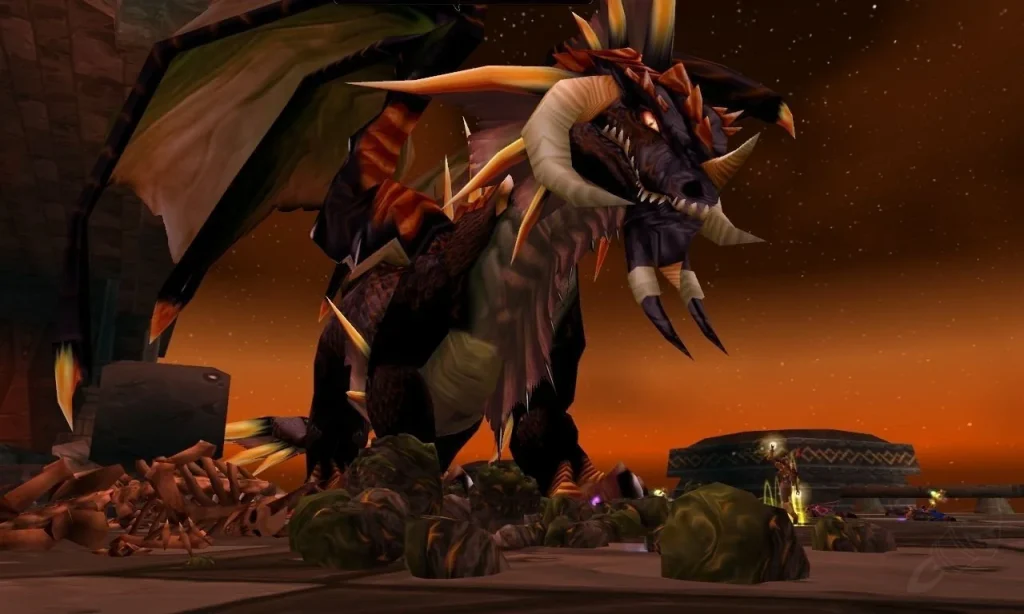
Raiding Through The War Within: From Khaz Algar to Nerub’ar Palace
The War Within framed raiding as the front line of an underground war in World of Warcraft.
Zones like Khaz Algar, the Isle of Dorn, Ringing Deeps, Hallowfall, and Azj-Kahet all led to Nerubar Palace the stronghold of Queen Ansurek and the heart of the Nerubian Empire.
Nerubar Palace launched with full accessibility:
- Raid Finder, Normal, Heroic, Mythic
- A dedicated Story Mode for lore-focused players
It also defined modern WoW raiding through:
- Story-driven encounters: Conflicts like the Severed Threads, the rule of Ansurek, and Xal’atath’s plans unfolded directly through boss fights
- Mechanics over raw DPS: Encounters required coordination—handling debuffs, movement, and timing
- Structured difficulty curve: Easier modes allowed entry, while Mythic demanded disciplined teams and long progression
Later in the expansion, raiders moved beyond Khaz Algar to K’aresh, featuring ethereal enemies and a Manaforge-themed final boss that leaned heavily into visual effects.
The pattern was clear: each raid tier in The War Within grew in scale, complexity, and narrative weight, with major story moments delivered through raid encounters.
What The War Within Taught Raiders?
The War Within changed the way many players approached the process of raiding World of Warcraft: The War Within.
Key Systems that Changed Raiding
- Hero Talents: Each spec gained two flexible “flavors,” letting raiders adapt to fights without changing core identity
- Warbands: Shared progression and banks made maintaining multiple raid-ready alts easier and more practical
- Delves: Small-group content offered an alternative gearing path, with a companion NPC system that helped casual or returning players prepare for raids
How did Difficulty and Expectations Evolved?
- Mistakes are punished: Errors often lead to immediate failure on Heroic and Mythic
- Complex encounters: Multi-phase fights with overlapping debuffs became standard
- Commitment required: Consistent attendance and accepting wipes as part of progress remained essential
In short, The War Within pushed raiding toward coordinated, disciplined teams—less about individual gear, and more about group execution.
Midnight Raids: Quel’Thalas, the Void and the Sunwell
World of Warcraft: Midnight shifts the conflict from underground zones to one of the most iconic regions in World of Warcraft—Quel’Thalas.
The main stage includes:
- Redesigned Silvermoon City and Eversong Woods
- The wildlands of Harandar
- A reimagined Zul’Aman
- The Voidstorm as a Void-corrupted battleground
Narratively, this is the Sunwell expansion. The Void’s attempt to seize the Sunwell forces a fragile alliance between blood elves, night elves, and their allies.
For raiders, this translates into:
- Siege-style battles of elven strongholds
- Invasions of Void-corrupted locations
- A climactic confrontation at the Sunwell itself
Structurally, Midnight introduces three raids and nine bosses, creating a tighter, more focused progression than earlier expansions.
Instead of a single large opening raid and a scattered finale, the story is delivered through three connected raid arcs:
- Defense of the Sunwell
- Off-world Voidstorm invasions
- Political and military fallout within Quel’Thalas
This design keeps the invasion narrative consistent from first breach to final resolution.
How Raid Design Is Evolving in Midnight?
World of Warcraft is moving toward broader trends reshaping gaming industry. This gets done by getting into a new design direction, with clearer combat readability, a stronger default UI, and smoother onboarding.
In raiding, this generally means fewer reliance on addons and more built-in visual clarity.
In World of Warcraft: Midnight, raid encounters are expected to follow this approach:
- Clearer telegraphs: Danger zones and safe areas will be more visible through built-in visual and audio cues, enhancing the gaming experience and reducing dependence on tools like WeakAuras.
- Smoother progression pacing: Early bosses will act as learning encounters, while later fights introduce multi-phase complexity and tougher coordination checks
- Broader reward integration: Raid rewards and cosmetics will connect with systems like Haranir allies, housing, and other non-raid progression loops
This does not mean weaker mechanics. The Worldsoul Saga is structured as a rising narrative curve, and World of Warcraft already set the standard for story-driven raids.
Instead, the change is where difficulty lives. It is less in decoding cluttered UI elements, and more in learning encounter patterns, positioning, and execution.
For raid leaders, this signals a return to fundamentals movement, cooldown management, and team coordination.
When Time Becomes the Main Boss?
Between the end of World of Warcraft: The War Within raid tiers and the launch of World of Warcraft: Midnight.
It is the biggest challenge for raiders is not a boss like Xal’atath it is time.
The jump from progressing through raids like Nerubar Palace to preparing for three new raid tiers can be difficult for players.
As a result, raiding communities typically split into a few groups:
- Progression guilds: Focused on early clears across difficulties with strict attendance
- Casual stable teams: Clear Normal and part of Heroic at a slower pace
- Seasonal raiders: Return for specific themes, and a Sunwell-focused World of Warcraft: Midnight is a strong draw for them
Systems introduced in The War Within help all three groups but do not remove the need for consistent play. Staying raid-ready, adapting to new mechanics, and keeping up with a team still requires ongoing time investment.
How Organized Raid Help Fits Between The War Within and Midnight?
Because time is the main limiting factor in World of Warcraft raiding, community uses organized assistance to stay current instead of constantly catching up.
For these players, services like a WoW raid boost are about compressing early gearing and progression into a fixed timeframe.
This is especially useful when joining a tier late, or when trying to re-enter raid groups mid-cycle through a targeted WoW raid carry.
Over time, this has formed a structured service ecosystem:
- Players may buy WoW raid carry slots or full raid clears when their schedule does not match raid times
- In return, they focus on learning mechanics and their class, while experienced teams handle progression, coordination, and completion
At higher difficulty levels, specialized WoW mythic raid boost services help undergeared or returning players clear Mythic checkpoints.
Some WoW mythic raid carry options are designed for players who understand encounters but lack a stable team.
On lower difficulties, WoW heroic raid boost carry services and provide smoother entry points for players who want to experience Heroic raids in expansions like World of Warcraft: Midnight.
Preparing Now: Using The War Within to Get Ready for Midnight Raids
For active raiders in World of Warcraft: The War Within, the months before World of Warcraft: Midnight are the best time to strengthen fundamentals.
Focus on Core Performance
Class mastery matters more than gear. With systems like Hero Talents and the existing talent setup, improving rotations, defensive cooldowns, and utility usage now will carry over into future raid tiers.
It is also the ideal time to refine UI setups, keybinds, and ensure your gaming internet speed is optimized before new content arrives.
Prepare Roster and Characters
Thanks to warbands and account-wide systems in World of Warcraft: The War Within, guilds can plan raid compositions more efficiently.
Players can also invest time into one or two key characters for the early Midnight raid tier.
Finish Current Goals
Clearing remaining objectives such as final boss kills, Ahead of the Curve achievements, or overdue progression targets still matters.
The final raid chapter of The War Within also sets narrative context for the upcoming Sunwell conflict in Midnight.
Overall, this transition period is about preparation: refining execution, organizing rosters, and entering the next expansion ready for higher-level coordination and progression.
Final Thoughts: From Deep Tunnels to the Sunwell
World of Warcraft: The War Within pushed raiders through Nerubian palaces and Void-corrupted depths beneath Azeroth. While World of Warcraft: Midnight shifts the conflict back to the forests, spires, and Sunwell of Quel’Thalas.
For organized raid groups, this is not just a change of setting it is a chance to carry forward lessons from encounters like Nerubar Palace into a larger, trilogy-defining confrontation with the forces of Xal’atath.
Players who use the end of The War Within to stabilize rosters and sharpen fundamentals will likely enter Midnight ahead of the curve, better prepared for its demands and pacing.
